

Understanding the psychology of gambling Why do we take risks
The Allure of Risk-Taking
The psychology of gambling is complex and multifaceted, centered around the human attraction to risk. The thrill of uncertainty can provoke strong emotional responses, leading individuals to engage in activities that might be deemed reckless. This rush stems from the brain’s reward system, where the anticipation of winning triggers the release of dopamine, a chemical associated with pleasure. For those looking to explore this further, https://mythoswincasino.org/ provides an in-depth look at various aspects of gambling and its societal implications.
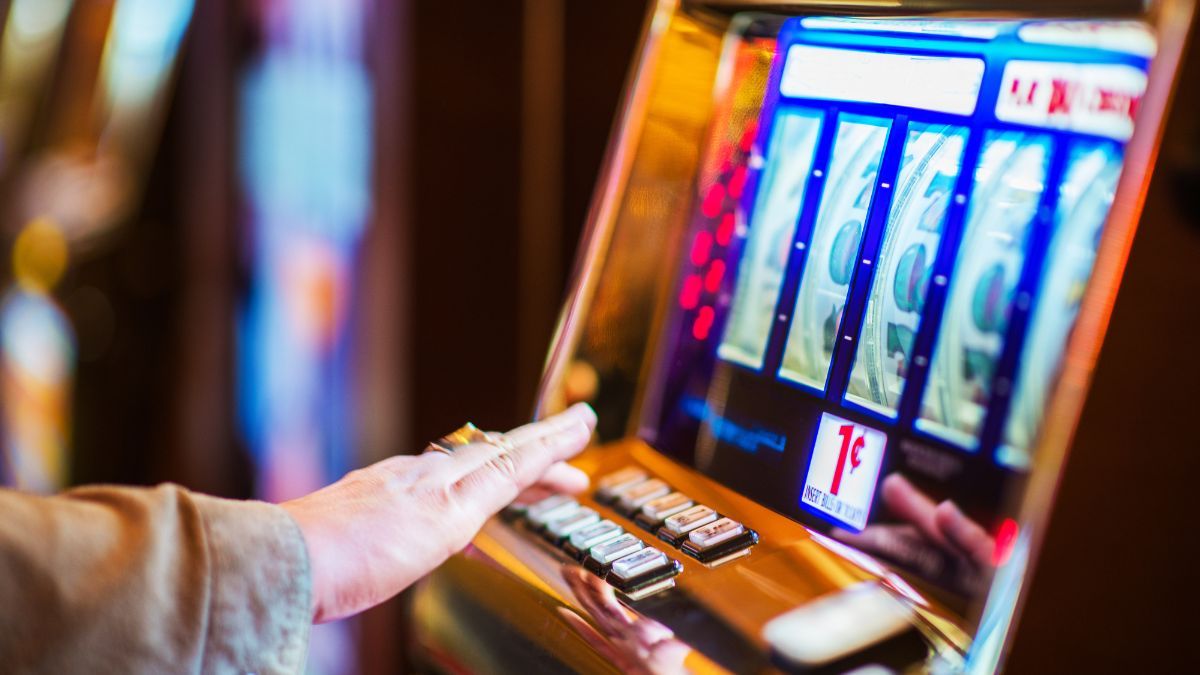
This sense of euphoria is a key factor in why individuals are drawn to gambling. The possibility of winning big provides a tantalizing allure that is difficult to resist. Many people view gambling as a form of entertainment, embracing the highs and lows that come with it. This mindset can obscure the rational assessment of risks, pushing individuals toward decisions they might not make in more stable situations. The line between calculated risk and reckless behavior becomes blurred in the heat of the moment.
The Role of Cognitive Biases
Cognitive biases play a significant role in gambling behaviors, influencing how individuals perceive risk and reward. One common bias is the illusion of control, where gamblers believe they can influence the outcome of games based on skill or strategy, even in purely chance-based environments. This illusion can lead to persistent gambling despite losses, as individuals convince themselves that success is just around the corner.
The gambler’s fallacy is another cognitive bias affecting decision-making. This fallacy occurs when individuals mistakenly believe that past outcomes influence future events in games of chance. For instance, if a particular number has not appeared in a roulette game for some time, a player might think it is “due” to hit soon. Such thinking can skew rational assessments of risk and lead to excessive gambling.
Moreover, overconfidence is prevalent among gamblers. This bias involves an inflated belief in one’s own abilities to predict outcomes or make winning decisions. This overconfidence can lead to larger bets and more frequent gambling, creating a cycle that is hard to break. Understanding these cognitive biases is crucial for anyone looking to mitigate the risks associated with gambling and make more informed choices.
The Impact of Environment and Culture
The environment in which gambling occurs greatly influences behavior and attitudes toward risk-taking. Casinos, for instance, are designed to maximize the chances of gambling by creating an atmosphere filled with excitement and anticipation. Bright lights, enticing sounds, and even the layout of gaming tables are carefully crafted to keep players engaged and playing for longer periods. This environment stimulates the senses and can lead to impulsive decisions.
Cultural attitudes toward gambling also play a crucial role in shaping behaviors. In some cultures, gambling is viewed as a form of entertainment and social engagement, while in others, it may be stigmatized or regarded as a vice. These cultural perceptions can affect individual attitudes toward risk-taking, leading to different levels of participation in gambling activities. For instance, in cultures where gambling is celebrated, individuals may feel more encouraged to take risks.
Additionally, socioeconomic factors can influence gambling behavior. Individuals from lower socioeconomic backgrounds may gamble more frequently in the hope of changing their financial situations. This desperation can lead to higher risks, as they may chase losses or engage in reckless betting. Conversely, those from wealthier backgrounds may approach gambling more as a recreational activity, maintaining a more balanced perspective on risk. Understanding these environmental and cultural influences is essential for addressing the broader implications of gambling behavior.
The Social Dynamics of Gambling
Gambling often serves as a social activity, where individuals gather to share experiences and excitement. The communal aspect can amplify feelings of thrill and belonging, as players cheer each other on during games or celebrate wins together. This social dimension can make gambling more appealing, as it fosters connections among participants and contributes to a sense of community.
Moreover, group dynamics can significantly impact individual behaviors. People may feel more emboldened to take risks when gambling in groups, feeding off the excitement of those around them. This collective enthusiasm can lead to increased betting and a disregard for personal limits. In many cases, individuals may adopt riskier strategies when they see their peers engaging in similar behavior, creating a cycle of risk-taking that can escalate rapidly.
Additionally, social media and online platforms have changed the landscape of gambling by facilitating virtual interactions among players. Online gambling communities can encourage risk-taking through shared strategies, experiences, and challenges. This connectivity can enhance the social experience but also pose risks, as individuals may become more influenced by the behaviors of others online. Recognizing the social dynamics at play in gambling is vital for understanding its appeal and the risks involved.

Exploring Resources for Responsible Gambling
Understanding the psychology of gambling highlights the importance of responsible gambling practices. With the allure of risk-taking and cognitive biases at play, it’s crucial for individuals to approach gambling with caution. Resources for responsible gambling are essential in promoting awareness and helping individuals recognize their limits. Many organizations provide tools and support systems to aid those struggling with gambling addiction.
Websites dedicated to gambling education and support offer valuable information on recognizing problematic behaviors and understanding the consequences of excessive gambling. These resources can empower individuals to make informed decisions and develop healthier gambling habits. By promoting responsible gambling, communities can reduce the risks associated with gambling and support individuals in making better choices.
Our platform, MythosWin, is dedicated to fostering a healthy understanding of gambling and risk. We offer resources that encourage responsible gaming, helping individuals navigate the complexities of gambling psychology. Through education and support, we aim to create a safer environment for all those interested in gambling, ensuring that the thrill of risk-taking is approached with mindfulness and care.
“`
